
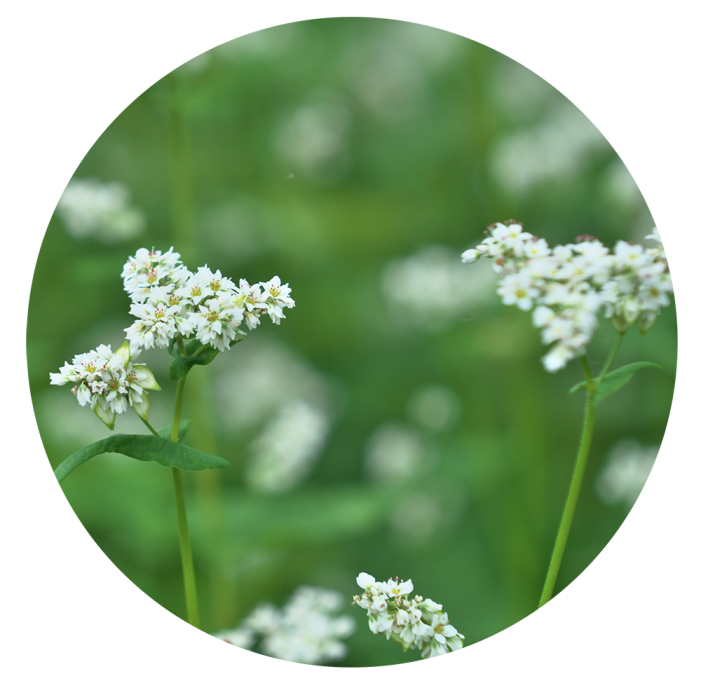
Buckwheat is an emblematic plant cultivated in the acidic soils of Brittany. It is a staple in the Central and Eastern Europe diets (Russia, Poland), and a key ingredient in the traditional galette in Quebec.
Buckwheat belongs to the Polygonaceae family (same as rhubarb or sorrel). It is a pseudo-cereal: its nutritional profile and culinary uses create a confusion which mixes it with traditional cereals.
Buckwheat is naturally gluten-free.
- Minerals and essential elements: buckwheat has an exceptional mineral density.
- Magnesium (approx. 230-250 mg/100 g): essential for nerve transmission, muscle relaxation and energy metabolism.
- Phosphorus and Manganese: support bone health and act as enzyme cofactors for cellular protection.
- Copper and Zinc: contribute to the maintenance of the immune system and the synthesis of hemoglobin.
- High Quality Protein: unlike traditional cereals (wheat, rice), it has a balanced amino acid profile. It is rich in lysine, an essential amino acid that is often deficient in plant-based diets.
- Bioactive compounds (flavonoids): buckwheat stands out for its rutin content. This polyphenol strengthens the lining of blood capillaries, helping prevent vascular fragility, varicose veins and disorders related to insufficient blood circulation.
With amoderate Glycemic Index between 50 and 55, buckwheat promotes a slow release of glucose. Its soluble fiber content improves insulin sensitivity, making it an ally in the management of type 2 diabetes. It is an interesting source of B6 and thiamine, which are essential for the proper functioning of the metabolism and the nervous system.
Buckwheat is a versatile and nutritious alternative ingredient, available in three main forms.
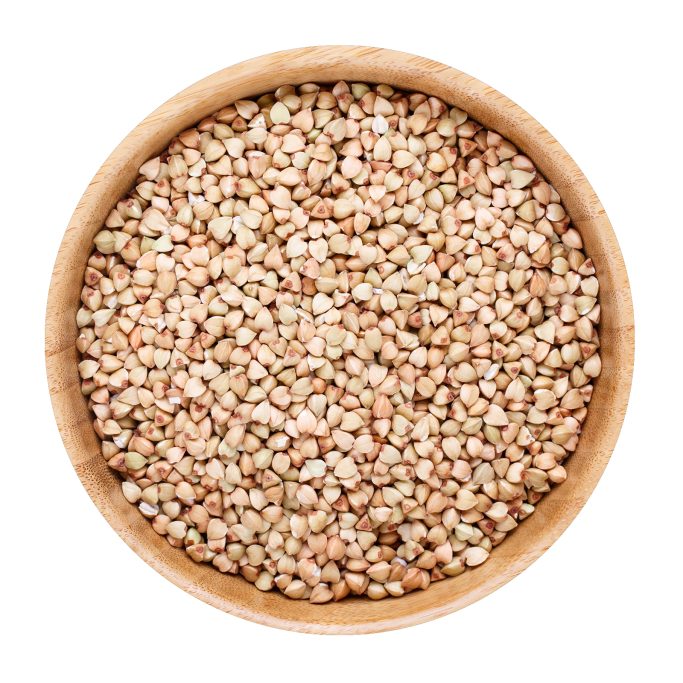
GRAINS
In grains, it can be eaten whole (green) or roasted (kasha). Kasha has intense nutty notes and can be prepared as a risotto or in a tabbouleh-type salad. The softer green grain is ideal for bowls of abundance or as a hot cereal base for breakfast.
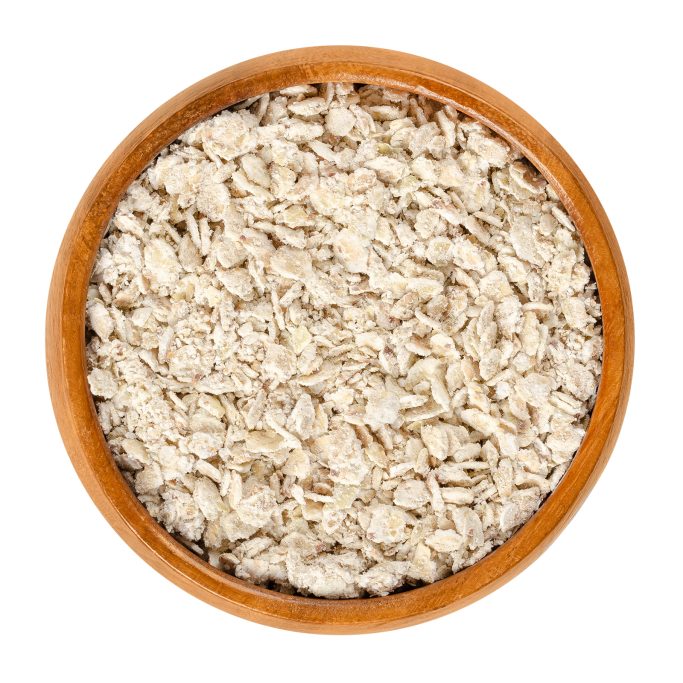
FLAKES
Buckwheat flakes offer a quick solution for creamy preparations. They are a great substitute for oats in porridges or added to homemade granola mixes. In savory cooking, they serve as an effective binder for gluten-free vegetable patties or crispy breadcrumbs.
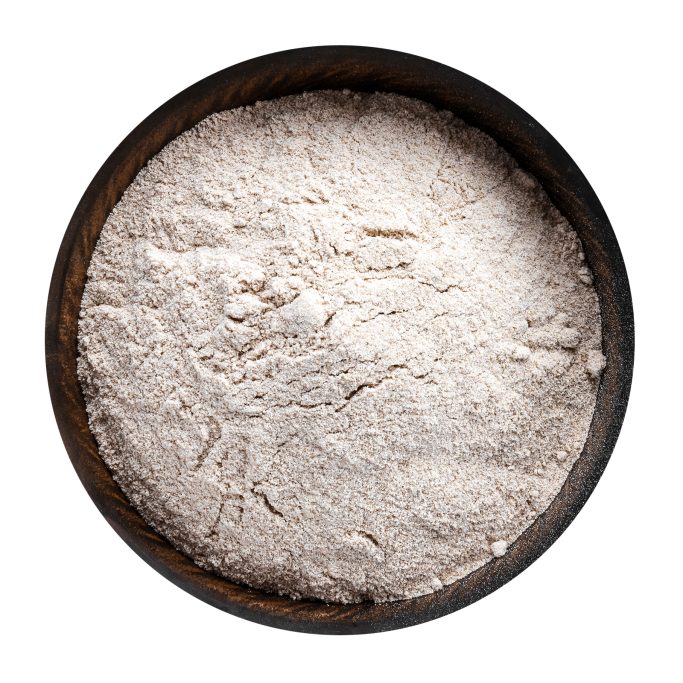
FLOUR
Buckwheat flour, famous for the traditional Breton galettes, is a key ingredient in alternative baking. Since it does not contain gluten, it is often combined with other flours to structure breads, muffins and pie crusts. Its distinctive taste and greyish colour bring a rustic and authentic signature to baked goods.
Whether crunchy, melt-in-the-mouth or ground, buckwheat enhances each dish with a unique aromatic complexity and a complete nutritional profile.
To learn more about our product: